
Agentic AI for ecommerce: Autonomous Growth & CX Revolution
Explore Agentic AI for ecommerce. A paradigm shift for digital retail, learn how proactive AI agents revolutionize operations and enhance customer journeys.
 Carlos Martínez Barriga 4 min read
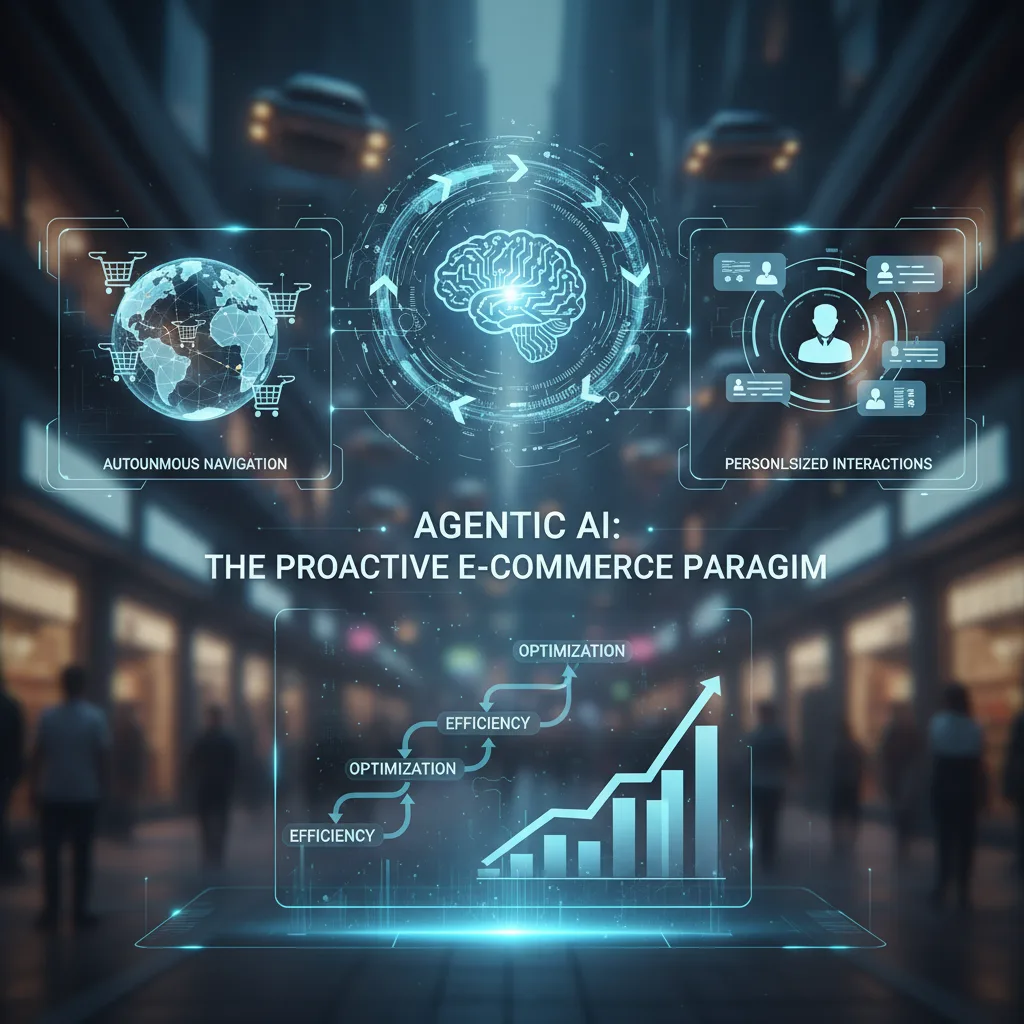
Executive Summary:
- The concept of Agentic AI for ecommerce represents a paradigm shift, moving beyond traditional reactive AI systems.
- Autonomous AI agents are defined by their ability to undertake proactive, goal-driven actions across an entire business ecosystem without explicit human prompting.
- This technology promises to revolutionize operational efficiencies and elevate customer experiences in the digital retail sector.
- The market for AI in retail is experiencing significant growth, with projections indicating an expansion from approximately $8.5 billion in 2023 to $40 billion by 2030, at a compound annual growth rate (CAGR) exceeding 25%, as reported by various industry analyses.
- Key figures like Ram Venkataraman and companies such as Kibo are at the forefront of this innovation, underscoring its strategic importance for future retail competitiveness.
Table of contents
The landscape of digital retail is constantly evolving, driven by innovations that promise greater efficiency and a more personalized customer journey. A pivotal development gaining traction is Agentic AI for ecommerce, a transformative technology moving beyond conventional artificial intelligence. This advanced form of AI empowers systems to act autonomously, proactively addressing challenges and optimizing processes across the entire e-commerce value chain. According to an article by Adam Blair published on Retail TouchPoints on March 13, 2026, these autonomous AI agents are a game-changer because they can ‘take proactive, goal-driven actions across a business ecosystem without human prompts’, signalling a new era of intelligent automation.
Analysis
The core distinction of Agentic AI for ecommerce lies in its autonomy and goal-driven nature. Unlike rule-based bots or even advanced machine learning models that react to specific inputs, agentic systems possess the capability to define and execute complex tasks independently. For instance, an agentic AI could observe fluctuating inventory levels, automatically identify potential supply chain disruptions, cross-reference external market trends, and then initiate purchase orders with preferred suppliers—all without human intervention. This proactive problem-solving extends to customer interactions, where agents might anticipate a customer’s need based on browsing history and proactively offer relevant support or product recommendations, thereby significantly enhancing the customer journey.
This technology is poised to redefine several critical areas within e-commerce. In customer service, agentic AI can move beyond simple FAQ responses to genuinely resolve complex customer queries by accessing multiple data points across sales, shipping, and product information, making real-time decisions. For marketing and personalization, agents can dynamically adjust website content, promotions, and product displays for individual users based on inferred intent and real-time behavior, a level of hyper-personalization that reactive systems struggle to achieve. Furthermore, in logistics and inventory management, agentic AI can optimize warehousing, predict demand with higher accuracy, and streamline shipping routes, reducing operational costs and improving delivery times. The industry’s rapid embrace of AI, reflected in the projected growth of the AI in retail market to $40 billion by 2030, highlights the urgent need for companies to adopt such sophisticated solutions.
Why it matters
The adoption of Agentic AI for ecommerce is not merely an incremental improvement; it is a strategic imperative for businesses aiming for sustained growth and competitive advantage. Companies that successfully integrate these autonomous agents can expect to see dramatic shifts in operational efficiency, a significant reduction in manual errors, and unparalleled improvements in customer satisfaction. This proactive intelligence minimizes lost sales opportunities due to out-of-stock items or unaddressed customer queries, directly impacting revenue and brand loyalty. Insights from industry leaders like Ram Venkataraman and technology providers such as Kibo underscore the critical role these advancements play in shaping future e-commerce strategies.
However, the transition to agentic systems also presents challenges. Implementing Agentic AI for ecommerce requires robust data infrastructure, careful ethical considerations regarding data privacy and bias, and a strategic framework for governance and oversight. Companies must navigate the complexities of integrating these intelligent agents into existing systems while ensuring transparency and maintaining human control where necessary. Despite these challenges, the undeniable benefits—ranging from optimized resource allocation to a truly seamless and intelligent customer experience—make agentic AI an essential component of the next generation of e-commerce innovation.
FAQ: Agentic AI for Ecommerce
How big is the agentic AI market for retail expected to become?
The AI-in-retail market is projected to grow from approximately $8.5 billion in 2023 to $40 billion by 2030, a compound annual growth rate exceeding 25%, according to industry analyses cited in the Retail TouchPoints report.
How is agentic AI different from a traditional chatbot or reactive AI system?
Agentic AI takes proactive, goal-driven actions across a business ecosystem without human prompts, while traditional systems (including rule-based bots and most machine learning models) only react to specific inputs and require explicit instructions.
Which areas of ecommerce does agentic AI affect most?
Customer service, marketing and personalization, and logistics and inventory management. Agents can resolve complex queries by cross-referencing sales and shipping data, dynamically adjust content and promotions per user, and optimize warehousing and shipping routes.
What example illustrates how an agentic AI system works in practice?
An agentic AI could observe fluctuating inventory levels, identify a potential supply chain disruption, cross-reference external market trends, and initiate purchase orders with preferred suppliers — all without a human directing each step.
What challenges come with adopting agentic AI in ecommerce?
Robust data infrastructure, ethical considerations around data privacy and bias, and a governance framework for oversight are all required, since agentic systems must be integrated into existing operations while keeping transparency and human control where necessary.